POLYWOOD vs Aluminum Patio Furniture: Which Lasts? (November 2026)
Choose POLYWOOD for a frame that shrugs off moisture and sun without painting, and choose aluminum when you want a light set you can rearrange or move under cover. The polywood vs aluminum patio furniture decision comes down to weight, upkeep and how much you rebuild or move the set.
On this page (9 sections)
Choose POLYWOOD for a frame that shrugs off moisture and sun without painting, and choose aluminum when you want a light set you can rearrange or move under cover. That is the short version of the polywood vs aluminum patio furniture question: both materials last outdoors, but they ask different things of you.
POLYWOOD is dense HDPE lumber that never needs sealing. Aluminum is a metal frame that stays light and takes cushions well.
The right pick depends on whether your priority is a leave-it-out seat or a set you reconfigure for gatherings.


POLYWOOD vs aluminum patio furniture: the quick verdict
POLYWOOD wins for low upkeep and a frame you can leave out year round, while aluminum wins for weight and cushioned comfort. For most readers weighing the two, the deciding factor is whether the furniture stays put or gets moved and covered.
The POLYWOOD Vineyard porch swing sets the tone for the material. Its HDPE lumber resists moisture, stains and fading, and POLYWOOD backs the lumber for 20 years of normal residential use.
The Modern Adirondack chair applies the same build to a single seat.
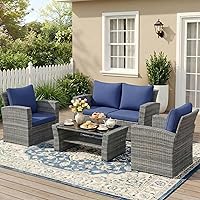
The aluminum options here are seating groups rather than bare chairs. The Oasbira 5-piece set and the Aoxun 7-seat set both wrap thick cushions around 3mm aluminum frames.
They are lighter as whole sets and easier to shift, but the cushions become your maintenance job.
Neither material is fragile. The choice is about the jobs each does well.
A covered porch favors POLYWOOD. A patio that hosts cookouts and needs soft seating favors aluminum.
The two materials side by side
The table below shows how the POLYWOOD and aluminum options here differ on the specs that affect daily use. Read the material, weight and seat count first, then the upkeep notes.
| Product | Best for | Material | Size (D x W x H) | Weight | Our score |
|---|---|---|---|---|---|
| POLYWOOD Vineyard 5-Foot Porch Swing | all-weather porches | HDPE (POLYWOOD lumber) | 24 x 60.5 x 23.25 in | 63 lb | 9.5 |
| Oasbira 5-Piece Aluminum Conversation Set | cushioned lounging | Aluminum | 51 lb | 8.9 | |
| Aoxun 7-Seat Aluminum Patio Set | large gatherings | Aluminum | 40 lb | 8.8 | |
| POLYWOOD Modern Adirondack Chair | fire pit seating | HDPE (POLYWOOD lumber) | 32.11 x 29.25 x 34.66 in | 34 lb | 8.9 |
The comparison table pulls shared labels from the product data, so it leans on material, size and weight. Those three tell you most of what you need.
Material decides the upkeep. Weight decides who can move the piece.
Size decides where it fits.
One gap in the table is worth flagging. The POLYWOOD picks are a swing and a chair, while the aluminum picks are multi-seat sets.
That is not a flaw in either material. It reflects what each is usually sold as: POLYWOOD in sturdy single seats and porch pieces, aluminum in modular seating groups with cushions.
If you want a set of POLYWOOD seating, you would buy chairs individually. If you want a single aluminum Adirondack, you would look beyond these sets.
Keep that in mind as you read the rest, since the material comparison and the product comparison overlap but aren't identical.
What the specs say about each material
The POLYWOOD swing is 63 lb for a 60.5-inch bench, while the aluminum Aoxun set covers 7 seats at 40 lb. That is the clearest signal in the data: POLYWOOD is heavier per seat, aluminum is lighter per seat.
The aluminum frames here are 3mm thick. The Oasbira set calls its frame 50 percent thicker than standard aluminum and pairs it with a powder coating.
The Aoxun set uses heat-treated aluminum with a wood-grain coating, which it says reduces how hot the metal feels in summer.
How each material handles weather and sun
Both materials tolerate sun and rain; the difference is how they age and what you have to do about it. POLYWOOD changes little over time.
Aluminum frames hold up, but their coatings and cushions show the wear first.
POLYWOOD makes its lumber from HDPE plastic. The Vineyard swing resists moisture, stains and fading, and POLYWOOD says it handles everything from intense sun to blizzards.
The Modern Adirondack adds ColorStay technology, which puts UV inhibitors into the lumber to hold color.
That matters if the furniture sits in full sun all summer. A plastic lumber that fades evenly still looks like itself years later.
A painted or coated metal frame can chip at a scratch and show bare metal underneath.
Aluminum has its own strengths. It does not absorb water, so it won't swell or split.
The Oasbira frame has a premium powder coating to resist corrosion. The Aoxun frame is heat-treated aluminum with a wood-grain coating, and both makers say their finishes resist fading for years.
Sun, rain and winter storage
The bigger weather question is what you do in winter. POLYWOOD furniture can stay out; POLYWOOD says its lumber handles snow and ice.
Aluminum frames can stay out too, but cushioned sets are a different matter. Cushions should come in or be covered when the weather turns wet or cold.
If your patio gets heavy rain, an aluminum set with cushions means moving fabric every time. That is the hidden cost of cushioned aluminum.
The frame is weatherproof, the seat is not.
If you want to leave everything outside and forget it, the POLYWOOD swing and Adirondack are the simpler choice. Their surfaces wipe clean and their color holds.
There is no fabric to drag indoors.
Weight and how easy the set is to move
Aluminum is the lighter material per seat, so it is easier to rearrange or move before a storm. POLYWOOD is heavier and stays where you put it.
The Oasbira set weighs 51 lb and the Aoxun set weighs 40 lb as whole groups. The POLYWOOD Adirondack chair weighs 34 lb on its own and the Vineyard swing weighs 63 lb.
The swing needs two people to hang, and once hung it stays in place.
Weight is not only about storms. It affects how easily you sweep under a set, reconfigure seating for a party, or move furniture to mow a lawn.
A 40 lb set of 7 seats is easy to shift. A 63 lb porch swing is a fixed feature.
The trade-off runs the other way too. Light aluminum can slide or shift in strong wind, especially with cushions acting as sails.
Heavier POLYWOOD stays put. If your patio is exposed and windy, the extra weight is a benefit.
Who should care most about weight
Renters and anyone who reconfigures a patio often should lean aluminum. So should people who store furniture in a garage or shed each winter, since moving cushions and frames is part of the routine.
Homeowners with a covered porch and a fixed layout should lean POLYWOOD. The swing and chair are built to be installed and left.
You won't be hauling a 63 lb bench inside every October.
Comfort and seating style
Aluminum sets win on cushioned comfort for groups, while POLYWOOD wins on a firm, contoured seat that needs no fabric. The seating style follows the material.
The Oasbira set uses 6-inch high-density foam cushions and a 31.5-inch seat width with 27.5-inch seat depth. The maker says the cushions won't collapse for at least 3 years of use.
The 105-degree backrest is shaped for posture support during long gatherings.
The Aoxun set has 26-inch seats and 5-inch cushions with double-layer high-resilience sponge. Its 105-degree backrest matches the Oasbira's angle, and the maker says an outdoor party of 9 hours stays comfortable.
The POLYWOOD pieces are bare surfaces. The Modern Adirondack has a contoured seat with a waterfall front, wide arms and a relaxed back angle.
The Vineyard swing has a gentle back-and-forth motion and seats up to 3 people with a 750 lb limit.
Cushions are softer but need care. Bare POLYWOOD is firmer but needs none.
Think about how long you sit and how much fabric care you want. For deep lounging and long meals, the aluminum sets suit better.
For a porch swing or a fire pit chair you use in short sessions, POLYWOOD is the cleaner fit.
Assembly, hardware and upkeep
POLYWOOD needs no painting or sealing, while aluminum sets ask you to care for both frame and fabric. Assembly effort is similar across these picks.
The POLYWOOD swing includes a zinc plated chain kit and marine-grade hardware, and the maker describes assembly as easy with clear instructions. The Modern Adirondack uses 18/8 marine-grade stainless steel hardware for corrosion resistance.
Neither needs paint, stain or seal.
The aluminum sets include detailed instructions and numbered parts. The Oasbira set includes foot pads to protect floors and keep the frame stable.
Both aluminum makers say their fabric is stain-resistant and easy to clean. Olefin fabric resists UV and wipes down, but cushions still need covering or storing in wet weather.
Routine care splits cleanly. POLYWOOD takes soap, water and a soft-bristle brush.
Aluminum frames take a wipe. Cushions take spot cleaning and storage.
Pick the upkeep you'll actually do. A low-maintenance frame you leave out beats a soft set you stop covering because it's a chore.
Fasteners and finishes worth checking
The fasteners are where mixed-material furniture ages. The POLYWOOD Adirondack uses 18/8 marine-grade stainless hardware with a corrosion-resistant coating.
The aluminum sets use stainless screws. On either material, check the joints after winter for loose or discolored hardware.
For a deeper look at how metal frames compare with each other, our guide on aluminum vs cast aluminum patio furniture covers the difference between hollow tube and cast construction. That matters if you are choosing an aluminum set and want to know what 3mm tube really means.
Warranty and long-term value
POLYWOOD's 20-year residential warranty is the strongest backing in this comparison, while the aluminum sets here don't publish a comparable term. Warranty length is the clearest signal of how long each maker expects the frame to last.
POLYWOOD backs the Vineyard swing's lumber for 20 years of normal residential use, with a 3-year commercial term. That is an unusually long promise for outdoor furniture.
It reflects the HDPE lumber, which does not rot or absorb water.
The aluminum sets here don't list a warranty term in their product data. That doesn't mean they fail early; it means the buyer has less written assurance.
When you compare aluminum sets, the frame thickness and coating are your stand-ins for a warranty. A 3mm frame with a good powder coat is the spec to look for.
Over a long horizon, the POLYWOOD warranty changes the math. A frame you expect to keep 20 years and never paint is different from a set you may replace sooner.
If longevity is the whole point of your purchase, POLYWOOD has the stronger paper trail.
Who should buy which?
Buy POLYWOOD if the furniture stays outside and you want zero fabric care; buy aluminum if you want cushioned seating for a crowd and don't mind storing cushions. That is the practical split.
The best aluminum patio furniture sets roundup covers the aluminum side in more depth if you want to compare groups. And if you're also weighing woven options, the wicker patio furniture set guide covers that material family.
For how wicker and rattan differ, our wicker vs rattan comparison helps.
Pick POLYWOOD if…
You have a covered porch, deck or fire pit area and want furniture that stays out. You dislike painting, staining and covering fabric.
You want a firm seat with no cushions to drag in. You value a long written warranty and a frame that holds color in full sun.
The Vineyard swing suits a porch; the Modern Adirondack suits a fire pit or deck corner.
Pick aluminum if…
You host often and want soft seating for a group. You like to rearrange the layout or move the set to mow and sweep.
You'll store or cover cushions when it rains. You want a lighter set that is easier to shift and a large seating count in one purchase.
The Oasbira set suits deep lounging; the Aoxun set suits big gatherings.
The verdict
For most readers, POLYWOOD is the better long-term buy: it handles weather without paint or fabric care and carries a 20-year residential warranty. The polywood vs aluminum patio furniture choice still flips for some buyers.
Pick POLYWOOD when the furniture lives outdoors year round and you want to forget about it. Pick aluminum when cushioned comfort for a group matters more than zero upkeep, and when you'll actually cover or store the cushions.
Either way, match the material to your habits rather than to a single sunny afternoon.
If you want to see the aluminum picks in more detail, the aluminum patio furniture set roundup is the next stop. For a deeper look at metal frame construction, read aluminum vs cast aluminum patio furniture before you order.
Frequently asked questions
Is POLYWOOD or aluminum better for a sunny patio?
Both handle sun, but they differ in finish. POLYWOOD's ColorStay technology puts UV inhibitors in the HDPE lumber to hold color.
Aluminum relies on its powder coat or wood-grain coating.
Pick POLYWOOD for a bare frame you won't cover and aluminum for cushioned seating you can shift into shade.
Does aluminum patio furniture rust?
Aluminum itself doesn't rust the way steel does. The Oasbira set uses a powder-coated 3mm aluminum frame, and the Aoxun set uses heat-treated aluminum with a wood-grain coating.
Check the fasteners and joints too, since mixed metals and trapped water are where corrosion shows up first.
How heavy is POLYWOOD compared with aluminum?
POLYWOOD pieces are denser. The POLYWOOD Adirondack chair weighs 34 lb and the Vineyard porch swing weighs 63 lb.
The aluminum sets here weigh 51 lb and 40 lb as whole groups.
That gap matters when you want to move a chair or clear a patio before a storm.
Can POLYWOOD furniture stay outside in winter?
POLYWOOD says its lumber resists moisture and handles harsh elements from intense sun to blizzards. The Vineyard swing and Modern Adirondack both use that HDPE lumber.
Aluminum also tolerates cold, but its cushions and fabric are the parts to bring in or cover.
Which needs less upkeep, POLYWOOD or aluminum?
POLYWOOD needs no painting, staining or sealing; soap, water and a soft brush handle routine cleaning. Aluminum frames mostly need a wipe, but cushioned aluminum sets add fabric care.
Pick POLYWOOD for the least maintenance and aluminum when you want soft seating and will store the cushions.